NieuwsWijsNeuzen
'NieuwsWijsNeuzen' ('News-Know-It-Alls') wants to make children (8-12 years old) more resilient against disinformation by focusing on news literacy, both on the side of (youth) journalists and on the side of children.
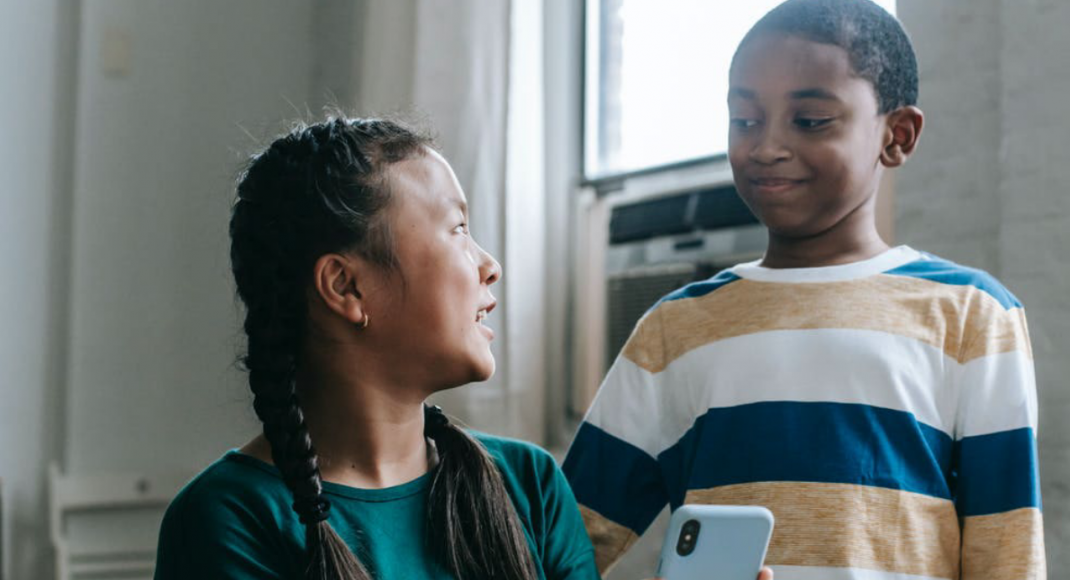
The project develops a child policy and conversation guide for and in co-creation with journalists: recommendations for responsible reporting around disinformation tailored to children. These recommendations include ethical guidelines on how to report fake news tailored to children and how to respond to incoming questions around disinformation.
In addition, the project provides innovative educational materials for children, introducing them to journalism, debunking disinformation and thinking critically about media. These materials can be used in the (Flemish) Media Literacy curriculum in elementary school.
In the project, the role of Scivil is to set up a checkpoint for disinformation on social media, in co-creation with researchers, children and journalists. Children can send messages to the checkpoint on news-items about which they have doubts. In that way, children get answers to their questions about whether or not a story is true, while also helping to collect data one disinformation that scientists can use in their research. The checkpoint supports journalists, children and researchers as it allows disinformation to be monitored and countered.
'Nieuwswijsneuzen' will run from January 2023 to June 2024. The project is a collaboration between research groups (Artveldehogeschool, Odisee, University of Antwerp), the news media sector (VVJ), the field of media literacy (imec-Mediawijs), knowledge insitutions (KeKi, Scivil) and a development partner (het Geluidshuis).
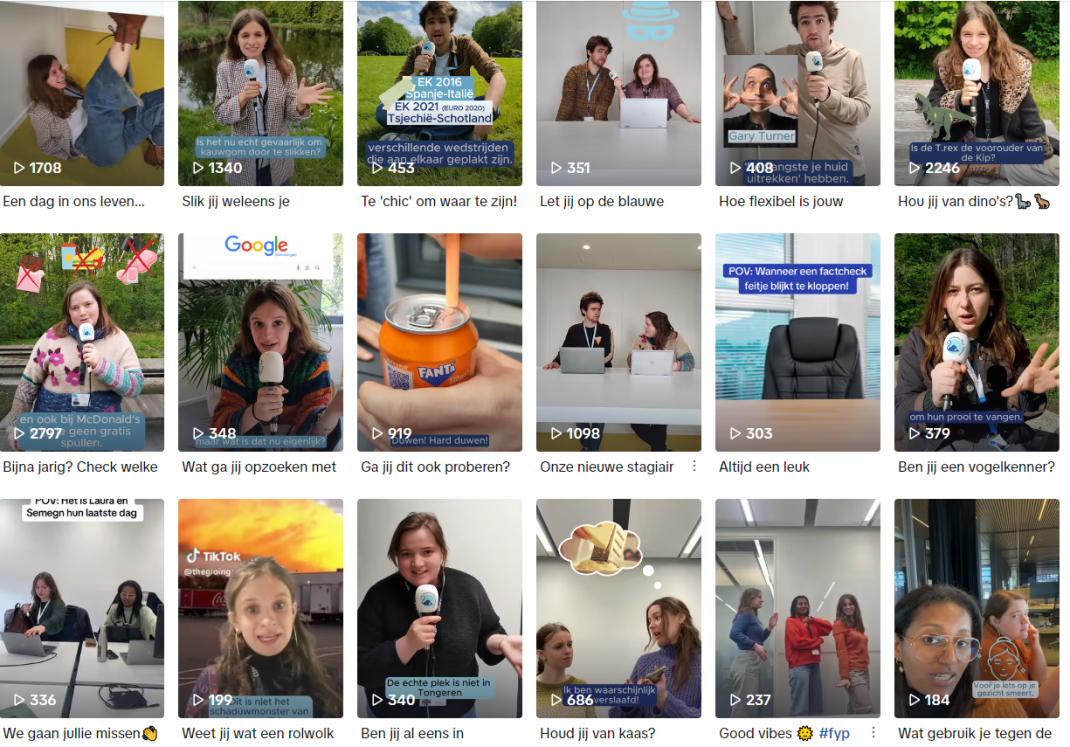
Within the project, Scivil set up a checkpoint for disinformation on TikTok, in co-creation with researchers, children and journalists. Children can send messages to the checkpoint that they doubt the veracity of. At the checkpoint, a team of five journalism students from different universities and colleges (Arteveldehogeschool, Ghent University and Vrije Universiteit Brussel) collected, fact-checked and published about fifty factcheck videos between March and May 2024. You can watch them on TikTok and Instagram.
News-Know-It-Alls will run from January 2023 to June 2024. The project is a collaboration between research groups (Arteveldehogeschool, Odisee, Universiteit Antwerpen), the news media sector (VVJ), the media literacy field (imec-Mediawijs), knowledge institutions (KeKi, Scivil) and a development partner (het Geluidshuis).
Results
Social Media, Children and Fact checking
In the final phase of the project, we report on the results. We started our reporting from the observation that our project brought together three elements in a unique combo. On their own, these elements each have their place in the media landscape, but the combination of the three still remains a bit too often underexposed. In a White Paper (in Dutch), we share the most important learning points from the project. We bundled our experiences and tips into three separate explainer videos, each of which takes one of the basic elements of newsgathering as its perspective. With this we want to inspire others to get started themselves.
How do I build a factcheck point on social media??
In this video we explain from our own experiences how you can start such an adventure yourself. What should you pay attention to and what would you rather not do? News-Know-It-Alls explains to anyone who wants to start fact checking for kids!
How to translate a fact check to 'children's language'?
It's not easy to respond to a target audience that is much younger than you are. Therefore, in this video, we explain how we have experienced interacting with children on social media.
How do I become a 'factfluencer'?
Journalists sometimes avoid social media in fear of being absorbed in a stream of entertainment. Yet, you can also publish your own newsworthy and well-founded factchecks on popular media platforms. In this video we explain how we became both TikTokkers and Factcheckers and still stuck to our journalistic principles.
Read our protocol: 'Fact checking for young children'!
In a world full of false information, we started a TikTok fact checking point for kids. What did we learn? That working together on all fronts can lead to better and more responsible media use. And actually much more. This document grew out of what for us were the most important gamechangers and thus grew into a manual for information providers on social media targeting young children.
Download the protocol here (in Dutch).