Science communication in challenging times: Lessons from a citizen science perspective
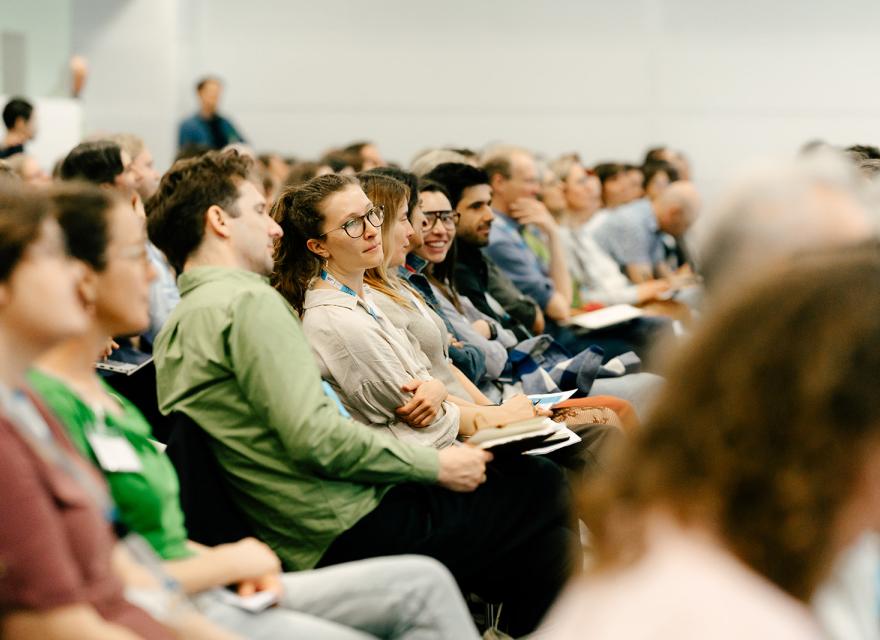
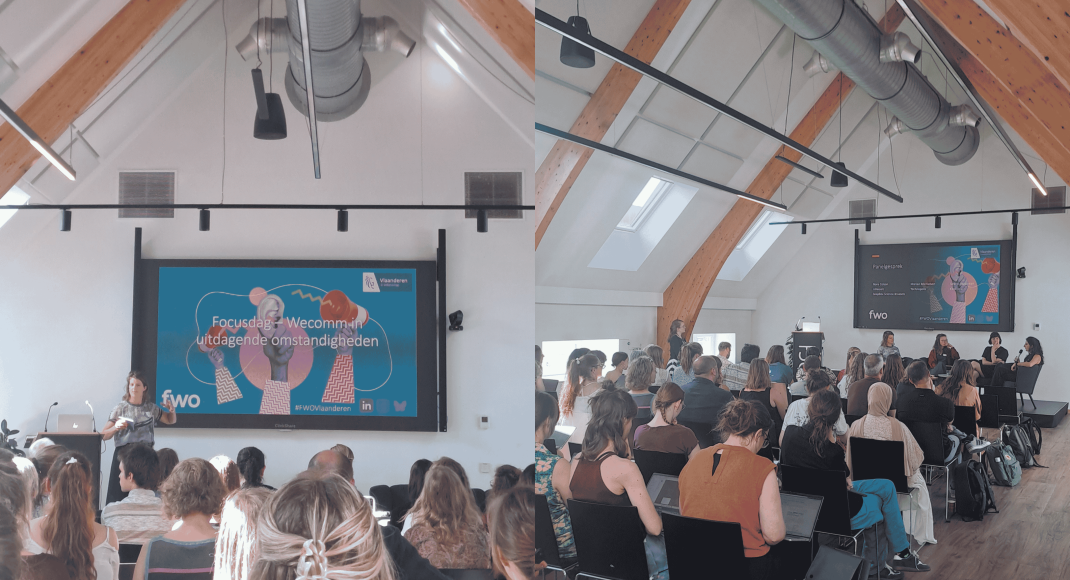
On 28 May 2026, Scivil attended the FWO Focus Day on Science Communication in Challenging Circumstances. The day revolved around one central challenge: how can we make science communication accessible to a diverse audience, despite the many barriers that exist?
From a citizen science perspective, the day offered valuable insights. One thing stood out to us: science communication and citizen science are not separate worlds. They share ambitions, face similar challenges and offer overlapping opportunities.
Breaking out of the bubble
The tone of the day was set by FWO President Bruno Blondé. His message was clear: science communication in Flanders too often reaches the same ‘inner crowd’. But who are we not reaching? And who do we (often unintentionally) exclude?
This question is crucial. Those who are not reached today could be the researchers, teachers, and citizen scientists of tomorrow. So how do we make science truly accessible to as many people as possible?
Science communication and citizen science: a conversation
What is science communication, or what should it be? According to Anne-Floor Scholvinck (Rathenau Institute), it is much more than communicating scientific results or methods. It is a conversation in which the exchange goes both ways.
By actively involving the public, researchers gain insight into what matters in society. This not only makes research more socially relevant, but also contributes to the democratisation of science. For those working in citizen science, this sounds familiar. Replace the word ‘public’ with ‘citizens’ and you arrive at the very core of citizen science.
What stood out was how closely the challenges of science communication resemble those of citizen science. Think of reaching hard‑to‑reach groups, the time and resources required, researchers’ hesitation, and an academic system that does not always fully recognise these efforts. The solutions are familiar too: clearly communicate why research matters to people, and involve them not only as data collectors, but as meaningful partners in the research process.
Science communication is translation
Jack McMartin (KU Leuven) introduced a refreshing perspective by framing science communication as a form of translation. He showed how, along the complex path from scientific discovery to news coverage, continuous translation choices are made: from academic jargon to press‑release language, from abstract ideas to visuals, and from nuance to attention‑grabbing headlines.
His key message was clear: science communication is not a neutral practice. Communicators make (conscious and unconscious) choices, have agency, and act as active intermediaries between source and audience. Here too, the link with citizen science is evident. Bringing a citizen science project to citizens involves many translation choices. These choices are best made deliberately and thoughtfully.
Courage, allies and system change
During two panel discussions, speakers shared their hands‑on experiences with science communication (see list of panel members here). They discussed, among other things, strategies for reaching vulnerable groups such as children, women, and people with a migration background.
Despite their diverse backgrounds, the panellists shared the same key messages. First, there is a need for a supportive system: policymakers and funders play a crucial role by creating space, time, and recognition for science communication. Second, the importance of allies and strong partnerships was repeatedly emphasised. And finally, there was a clear call for courage: dare to start and just go for it!