Five years of the Citizen Science Communication Guide: A conversation with the creators
Five years ago, on 18 November 2019, Scivil published the communication guide 'Communication in Citizen Science'. This guide provides the building blocks for creating a communication plan for citizen science projects and offers practical tips and tools to implement these plans effectively. Now, five years later, we spoke again with the authors: science communicator Hilde Devoghel, researcher Carina Veeckman, and science journalist Liesbeth Gijsel. They reflect on the origins and impact of the guide and share their vision for the future of communication in citizen science.
In 2019, when Scivil was still in its early stages, it quickly became apparent that 'communication' was a challenging aspect for many citizen science projects. From the start, Scivil received numerous questions about the communication aspects of projects. It soon became clear that Scivil wanted to compile these questions into a guide that could help projects learn more about the various elements of communication within citizen science. To achieve this, we reached out to Hilde Devoghel, who boasts an impressive CV as a ghostwriter, moderator, copywriter, and founder of the Kinderuniversiteit (Children's University at KU Leuven); Carina Veeckman, a researcher at imec-SMIT with a strong track record in studying the impact of social innovation, citizen science, and engagement; and Liesbeth Gijsel, a seasoned journalist at EOS and the founder of the citizen science platform Iedereen Wetenschapper (Everyone a Scientist). Five years later, we revisited these experts to hear their thoughts on our Communication Guide.
A guide with impact
The communication guide has now been around for five years. In your opinion, what impact has the guide had on citizen science projects?
Hilde Devoghel: ‘I’ve noticed that the guide has truly contributed to a more structured approach to communication within citizen science projects. Whereas communication used to be an afterthought, we now see that initiators consider it an essential part of their project. They understand that good communication requires time, attention, and even dedicated staff. More and more people are realising that communication is a specialised skill and not something you can just 'add on' in the end.'
Carina Veeckman: ‘The guide has reached a wide audience. It has even been recognised as a Responsible Research and Innovation Tool and is frequently cited in scientific literature, such as in The Science of Citizen Science. This recognition demonstrates that the guide has raised awareness about the role of communication. There’s been a clear shift in understanding among project leaders: communication is not only about spreading information but also about genuinely engaging participants.’
Liesbeth Gijsel: ‘The steps outlined in the guide remain current and relevant, which, to me, proves that we’ve created something that can support projects in the long term. I also believe the guide has helped funders recognise communication as an important part of a project, which is a massive step forward.’
I’ve noticed that the guide has truly contributed to a more structured approach to communication within citizen science projects. Whereas communication used to be an afterthought, we now see that initiators consider it an essential part of their project.
Five years: a different world in the communication ladscape?
The communication landscape is ever-evolving. Have you noticed significant changes for citizen science projects?
Liesbeth: ‘The social media landscape is changing rapidly. While Facebook was still dominant in 2019, platforms like TikTok, Instagram, and YouTube have now become more important. Video and visual content are playing an increasingly significant role, which means project leaders need to develop new skills or collaborate more with experts in these areas.’
Hilde: ‘I’ve observed that the role of social media within projects has shifted: it’s no longer just about providing information but also about building a connection with participants. Social media has become a key tool for motivating people to stay engaged throughout the project. This requires more focus on storytelling and maintaining a consistent tone in your communication.’
Carina: ‘There’s also been an increase in the use of communication agencies to help develop a unique identity or brand for projects. Branding is something you now see more often in successful projects, such as Curieuzeneuzen and Isala. A recognisable identity can help a project stand out and attract more participants, although it’s certainly not an easy task. Still, I believe more citizen science projects could benefit from this approach.’
The guide has reached a wide audience. It has even been recognised as a Responsible Research and Innovation Tool and is frequently cited in scientific literature, such as in The Science of Citizen Science. This recognition demonstrates that the guide has raised awareness about the role of communication.
Trends for the future
How do you see the future of communication in citizen science projects? Are there any trends you believe deserve more attention?
Liesbeth: ‘Artificial intelligence (AI) will increasingly influence communication in citizen science over the coming years. AI tools can, for example, assist in creating content, translating materials, or summarising complex information. However, we need to continue verifying what AI produces, as it is not always reliable. It remains crucial to ensure that the content is authentic and genuinely resonates with the target audience.’
Hilde: ‘I expect visual content, such as videos and infographics, to become even more important. People are reading fewer long texts and want to grasp the essence quickly. Short, impactful videos or visuals can help achieve this. Moreover, there are an increasing number of tools available to quickly create visual content, making it more accessible for project leaders with limited resources.’
Carina: ‘Inclusivity and diversity in citizen science also deserve more attention in the future. While a diverse group of people collects a lot of data, the communication often targets a relatively homogenous audience. Expanding communication strategies to ensure that everyone feels truly addressed and fostering broader representation within citizen science projects would be a significant step forward.'
The steps outlined in the guide remain current and relevant, which, to me, proves that we’ve created something that can support projects in the long term. I also believe the guide has helped funders recognise communication as an important part of a project, which is a massive step forward.
Advice from the communication experts
What is your golden advice for new citizen science projects aiming to achieve strong communication?
Carina: ‘My advice is: get to know your target audience well and translate that knowledge into concrete actions. Many projects start with a specific audience in mind but lose sight of them along the way. Make sure you regularly gather feedback from your audience to ensure you’re still meeting their expectations.’
Hilde: ‘Build a strong network of partners before your project even begins. Partners can help amplify your message and reach a broader audience. Invest in those relationships, as they are often the key to a successful project.’
Liesbeth: 'Think carefully about the kind of participants you need or want to involve in your project, and try to engage those people or organisations right from the start. The most successful projects often have a clear focus and understand why they want to target a specific audience. And don’t forget to keep communicating throughout the project. It helps keep people engaged and ensures the project’s results are widely shared.’
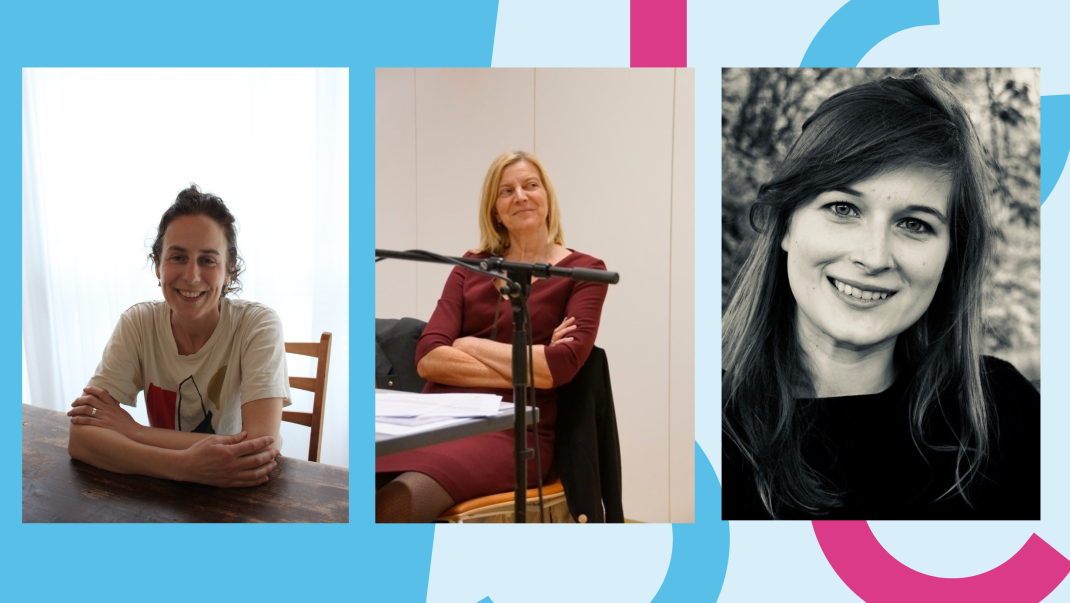
Liesbeth Gijsel, Hilde Devoghel & Carina Veeckman
Interview and editorial work by Sanne Strouven